Davidson's Shortest Due Diligence Windows Land on Its Hardest Houses to Inspect
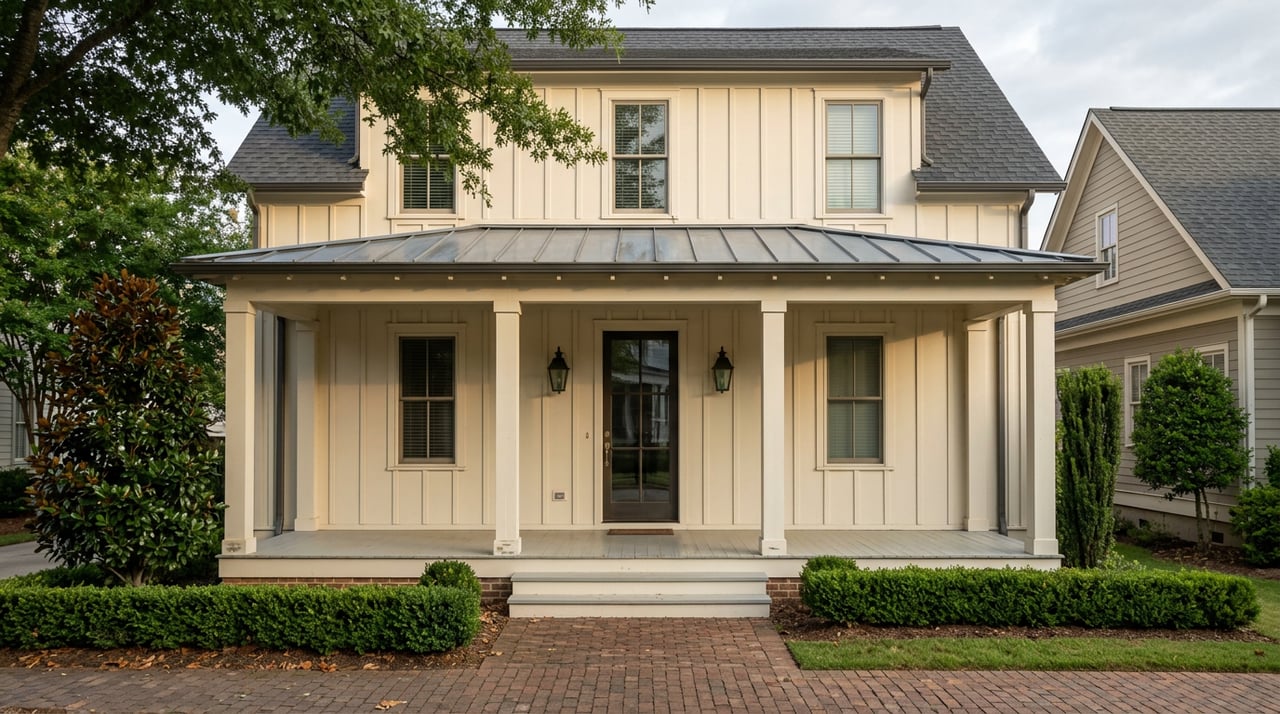
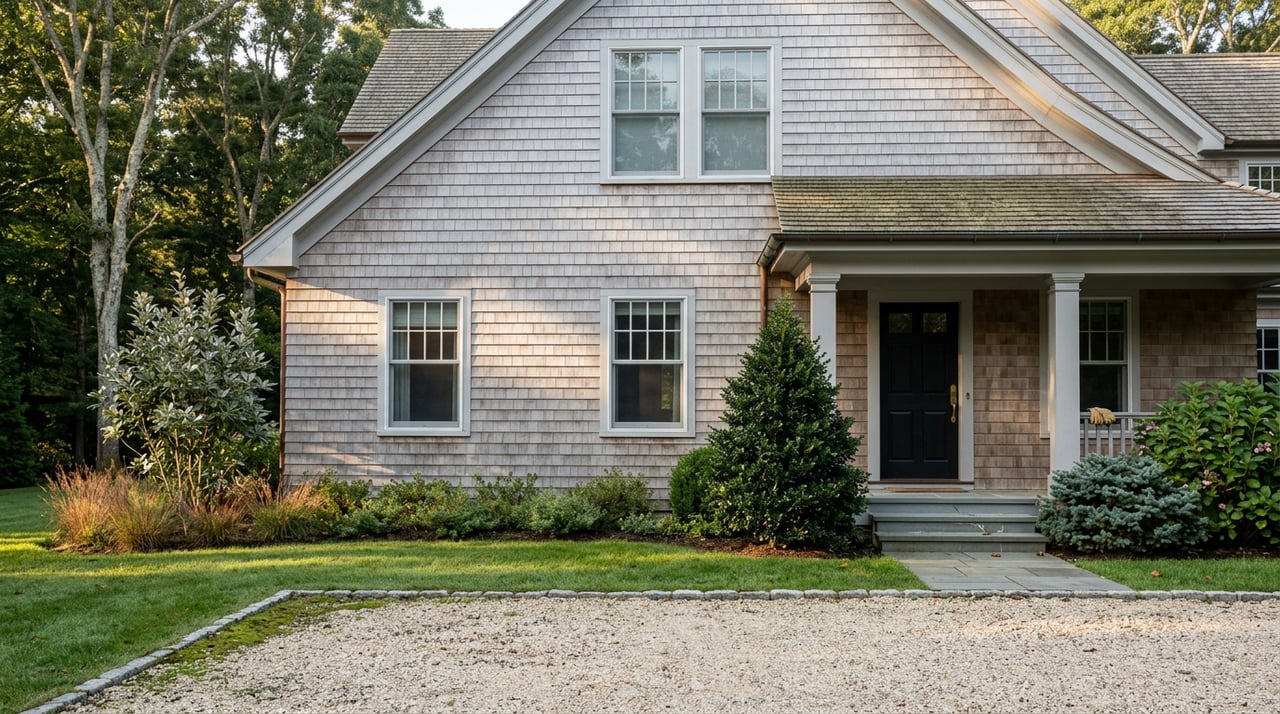
A buyer under contract on a 1920s cottage two blocks off Main Street gets the same advice as a buyer competing for a resale townhome across town in Summers Walk: shrink your due diligence period, raise your fee, win the deal. It sounds like discipline. For the cottage, it is closer to a bet, because that house likely needs a well and septic evaluation, a foundation look, and possibly a conversation with the historic district before anyone signs anything, and North Carolina gives every buyer exactly one clock to do all of it.
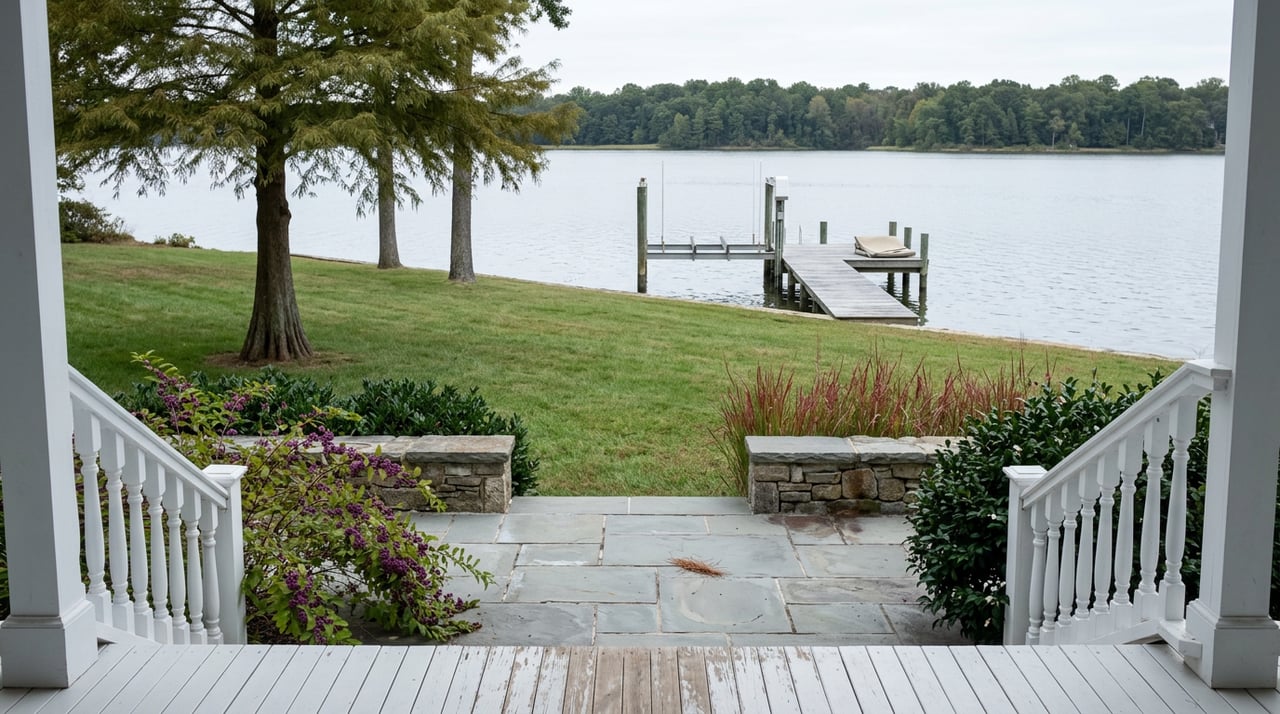
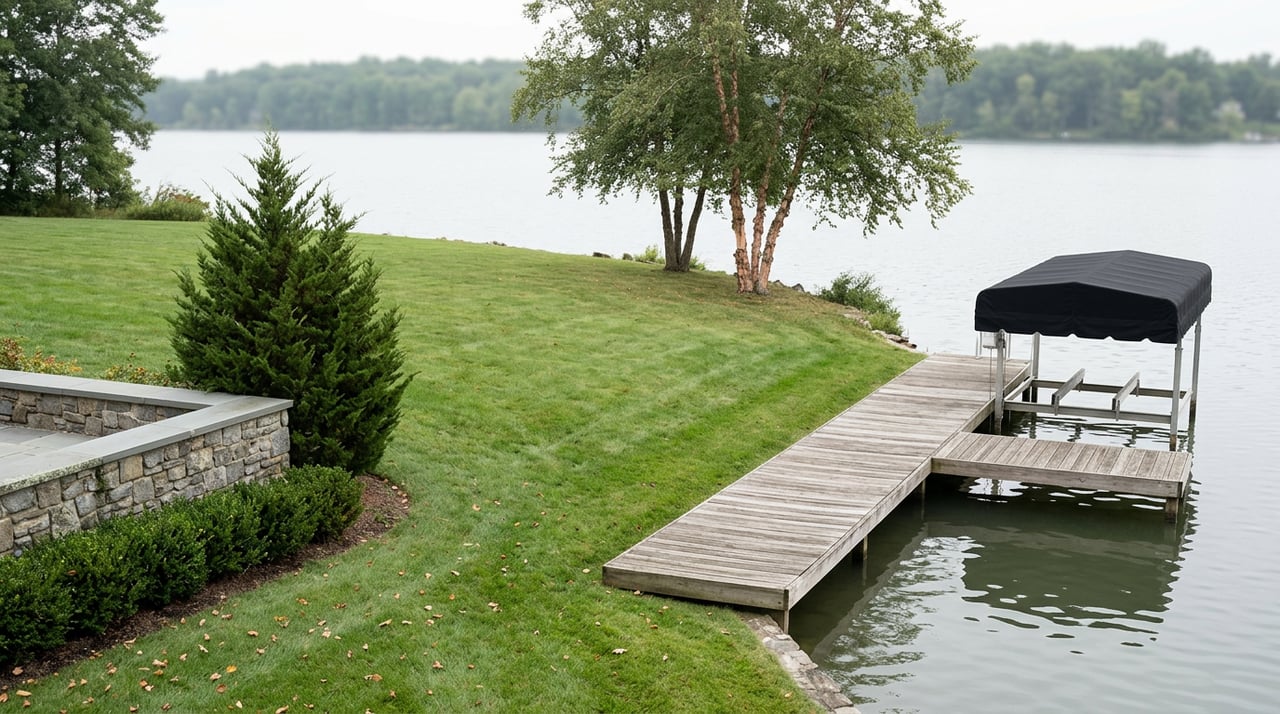
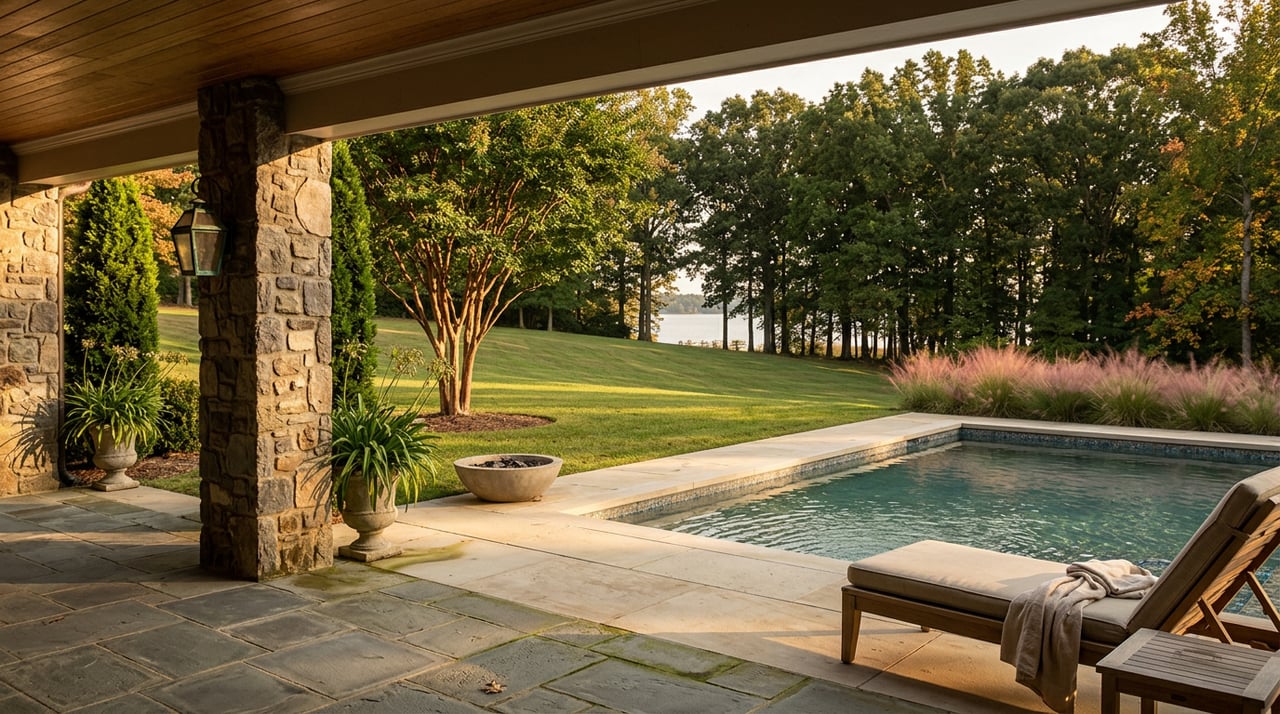
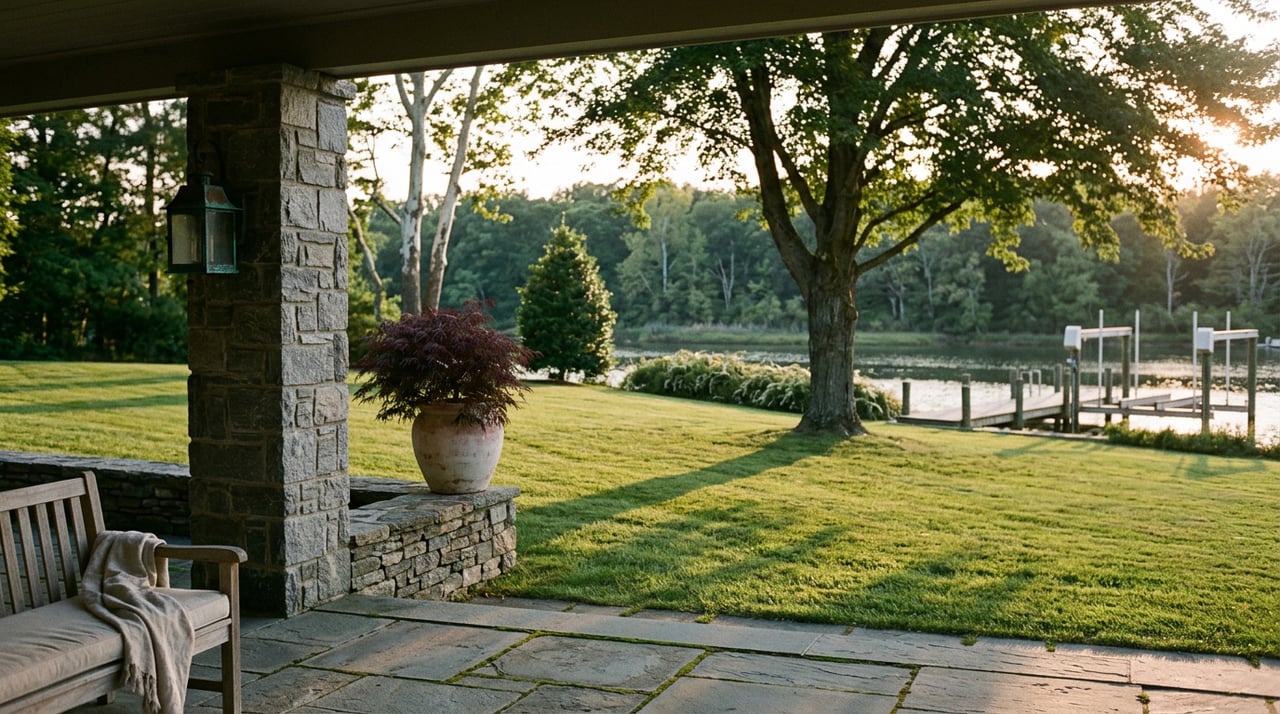
The same mismatch shows up on the water. A condo in the Portside community at Davidson Landing with beach access and a view of Lake Norman, or a home in the Ambleside enclave on Lake Cornelius, carries dock inspections, shoreline buffer questions, and easement review that a townhome buyer never has to think about. Those are exactly the properties where sellers, coached by the same competitive-offer playbook, are told to expect (and even push for) a shorter window. The houses that need the most time to inspect are getting told to take the least.
North Carolina does not use separate contingencies for inspection, financing, and appraisal the way most other states do. Every residential contract built on the standard NC Offer to Purchase and Contract runs on a single negotiated due diligence period. Inside that window, the buyer can walk away for any reason and get earnest money back, but the due diligence fee, paid directly to the seller at contract signing, is gone unless the seller materially breaches the contract or one of a handful of narrow exceptions applies. The North Carolina Real Estate Commission has been explicit that the fee is meant to be nonrefundable in nearly every circumstance, precisely because it compensates the seller for taking the home off the market while the buyer investigates.
That single window has to hold everything: the general home inspection, any specialty inspections, the title search, survey review, HOA document review, and financing. There is no separate clock for a low appraisal or a bad radon reading. If the window closes before you have the information you need, you are either closing anyway or forfeiting money to walk.
Local buyer guidance for Davidson has been direct about this: due diligence periods in many Davidson transactions run about 7 to 14 days, and in competitive submarkets buyers are often encouraged to shorten that window further while raising the fee to stand out. General North Carolina guidance this year describes 14 to 30 days as a typical range statewide, and Charlotte-area guidance from mid-2026 puts due diligence fees on a typical local purchase at $1,500 to $5,000. Davidson buyers are frequently working with less than half the runway that guidance elsewhere in the same metro area treats as standard.
That compression makes sense for a townhome with municipal water, municipal sewer, and a five-year-old roof. It is a much tighter fit for the kinds of houses that make Davidson's market what it is.
The town's own market data shows why treating every listing the same is a mistake. Monthly housing data put the average Davidson house price at $721,000 in June 2026, up 13.1 percent from a year earlier, while the median days on market climbed to 63 in the three months ending May 2026, up from 48 the year before. As of mid-2026, the same data source scores the overall market as only "somewhat competitive."
Read together, that is not a market on fire. It is a market where prices are still climbing but the average listing is sitting longer than it did a year ago, which usually means buyers have more room to negotiate terms, including a longer due diligence period, than the shrink-it-to-compete script assumes.
But that citywide average blends two very different kinds of transactions. Historic downtown cottages and true waterfront properties in communities like River Run, Bailey Springs, and Ambleside remain scarce enough that they still draw multiple offers and move fast, exactly the conditions that make buyers reach for the shortest window and biggest fee. Everywhere else, the slower overall pace means a buyer asking for 21 days instead of 10 is not necessarily going to lose the house.
The properties most likely to need extra inspection time are also the ones least likely to get it, precisely because they sit inside the fast-moving slice of a market that has, on average, slowed down.
The due diligence period was built to give buyers room to find problems before they own them. In Davidson right now, the properties most likely to have problems worth finding are the ones being squeezed into the least room to look.
Local guidance for Davidson buyers already flags the categories that matter most for older and waterfront homes: general inspection plus termite and wood-destroying insect evaluation, HVAC, roof, chimney, and structural review as a baseline, with septic, well, and foundation specialists added for lakefront or older systems. On the water, add dock condition, shoreline buffer compliance, and easement review to that list, since docks, buffers, and easements can affect both value and closing timeline.
A few things worth knowing before that clock starts running:
Practitioners across the state have been consistent on the discipline this requires: schedule specialty inspections on day one of the period, not day fifteen. Waiting even a week to book a septic evaluation can mean the report lands with only a day or two left to negotiate or walk.
The fix is not a universal rule about how many days to ask for. It is matching the window to the property. A townhome with municipal utilities and a recent build date can reasonably move fast. A cottage near downtown or a home on Lake Cornelius or Lake Norman cannot, and the current data suggests the room to ask for more time exists more often than the old competitive-market advice implies.
Before agreeing to a due diligence period, it is worth asking directly: does this property have a septic system or private well, is there a dock or shoreline structure that needs its own inspection, and does the town's historic district overlay apply to any exterior work planned for the home. Any yes to those questions is a reason to push for more days, not fewer, even in a market where sellers are still used to hearing the opposite.
Is the due diligence fee ever refundable in North Carolina? Only in narrow situations, generally a material breach by the seller, termination under the contract's seller-obligations or risk-of-loss provisions, or specific terms written into an addendum. In the ordinary course of a buyer simply changing their mind, the seller keeps it.
Does a longer due diligence period make an offer weaker? Not automatically. In a market where the average Davidson listing is sitting on the market well past 60 days, a well-structured offer with a longer window tied to a real reason, like a septic or dock inspection, competes on more than speed alone.
Who should I ask about dock and shoreline rules on a specific Davidson property? Because those rules vary by which body of water the home touches, a closing attorney familiar with local recordings and the listing agent should both be part of that conversation early in the due diligence period, not late in it.
If you are weighing a purchase in Davidson, whether it is a cottage near downtown, a waterfront listing on Lake Cornelius or Lake Norman, or something further out, Mary Kay Portaro can help you figure out which due diligence window actually fits the house you are buying, not just the one the market is used to offering. Let's Connect.
Every real estate journey deserves trusted guidance, clear communication, and a personalized approach. Backed by strong negotiation skills, strategic marketing expertise, and deep local market knowledge, every client receives dedicated support from start to finish. The goal is to make your buying or selling experience seamless, rewarding, and stress-free.
ADDRESS 21025 Catawba Ave #101 Cornelius, NC 28031